Last updated: November 2026. Medical note: this is general information, not medical advice for your prescription. Storage limits vary by drug, brand and whether a container is open, so check your medication's label or package insert, and call your pharmacist or prescriber for the number that applies to you. For a life-threatening situation, call 911.
Method note: temperature ranges for insulin come from the FDA; runtimes are our own arithmetic with an 85% usable-capacity assumption.
Affiliate disclosure: some links on this page may earn Trendifacts a commission at no extra cost to you. It does not change what we recommend.
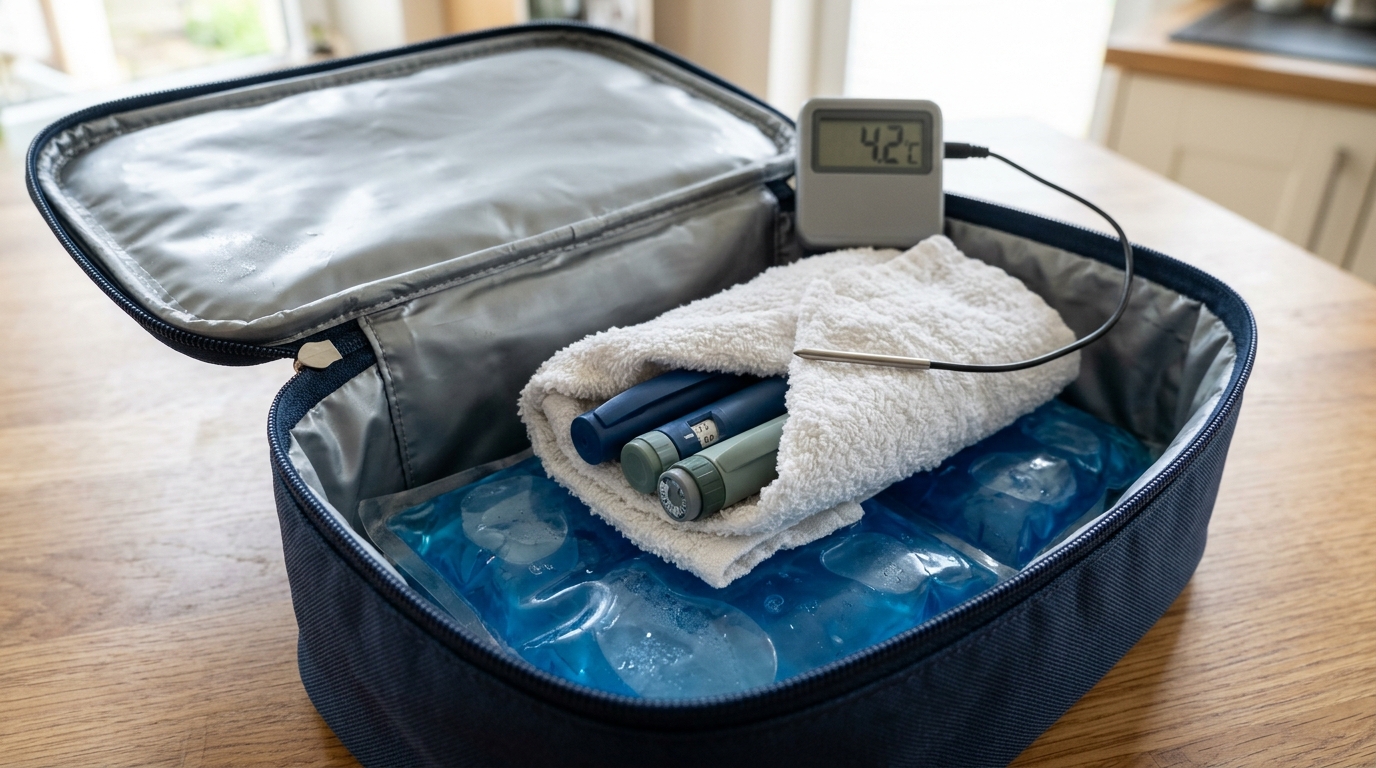
To keep refrigerated medicine safe in an outage, move it into a cooler with ice packs (never touching the ice directly), put a thermometer next to it, and call your pharmacist about your specific drug. Most refrigerated medicines need to stay between 36 and 46°F (2 to 8°C).
For insulin specifically, the FDA says manufacturer vials or cartridges, opened or unopened, may be kept unrefrigerated at 59 to 86°F for up to 28 days, which gives many people more time than they fear, but that rule is specific to insulin, so do not assume it applies to other medicines.
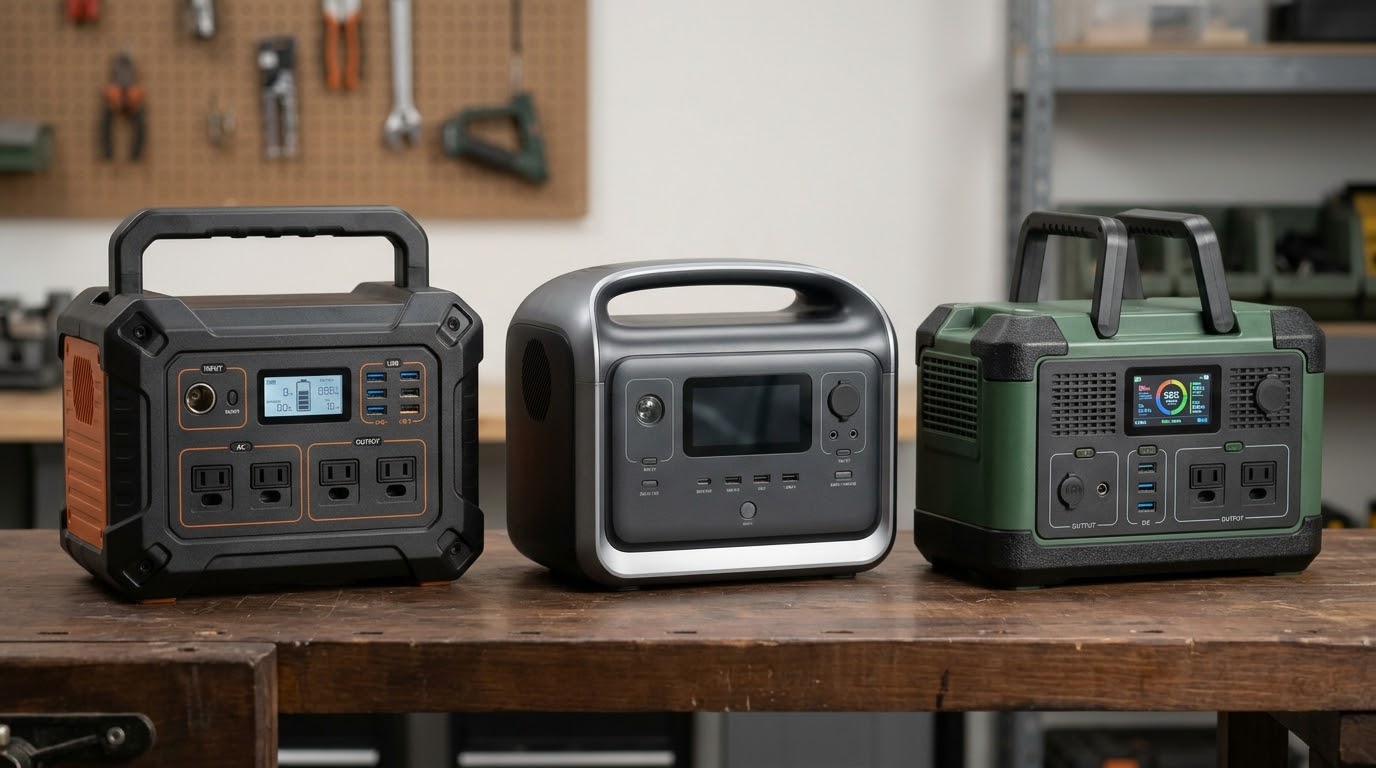
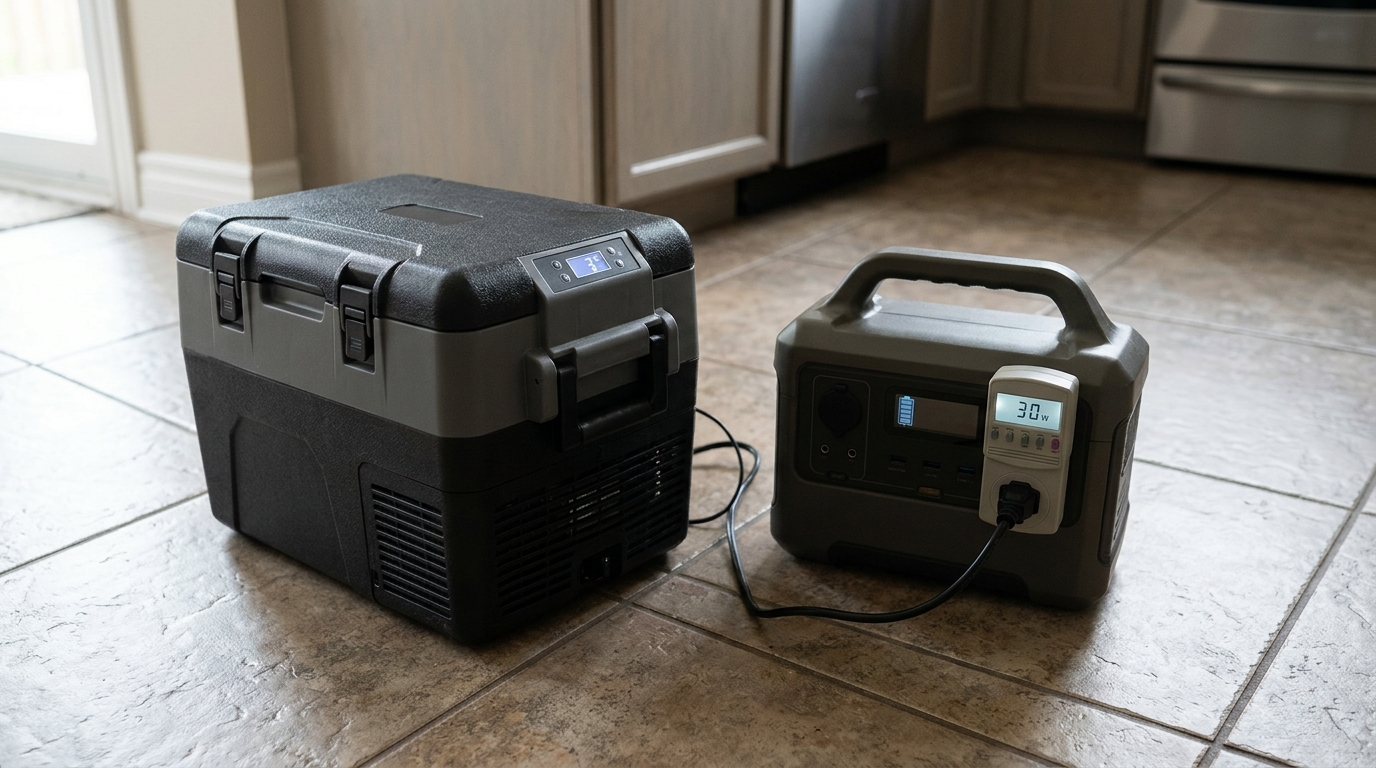
If you want power for a small cooler, a compressor-based mini fridge on a power station uses far less than a kitchen fridge.
This guide explains the temperature windows, what to do in the first hour, four cooling methods with their limits, a runtime worked example for a powered cooler, and how to decide what to discard.
The Short Answer
| Situation | What to do |
|---|---|
| Outage under a few hours | Keep the fridge closed; check the temperature |
| Outage lasting longer | Move medicine to a cooler with ice packs and a thermometer |
| Outage lasting days | Use a small powered cooler on a power station, plus ice as backup |
| Insulin only | The FDA's 28-day room-temperature guidance applies; call your pharmacist |
| Medicine frozen at any point | Do not use it |
Why This Matters
Most refrigerated medications need to stay within roughly 36 to 46°F, the range a fridge normally holds, according to PowerOutage.us's medication guide. Insulin, biologic injectables and some liquid antibiotics rely on stable protein structures that can degrade outside that range.
A closed fridge keeps its temperature for a limited time after the power fails. Estimates vary from roughly 2 to 3 hours to about 12 to 24 hours, depending on the unit, how full it is, and how often the door opens.
That wide range is the reason to act early and measure temperature, not guess.
What the FDA Says About Insulin
The FDA's page on insulin storage in an emergency states:
- Unopened insulin kept refrigerated at 36 to 46°F stays effective until its expiration date.
- Manufacturer vials or cartridges, opened or unopened, may be left unrefrigerated at 59 to 86°F for up to 28 days.
- Insulin that was diluted or removed from its original vial should be thrown away within two weeks.
- One newer product, Awiqli (insulin icodec), can be kept below 86°F for up to 12 weeks in total.
- In an emergency you might still need to use insulin stored above 86°F, but keep it as cool as possible, away from heat and sunlight, and avoid freezing it when using ice.
- Do not use insulin that has been frozen. Throw away insulin that was exposed to extreme heat once you can get properly stored supply.
- Insulin in an insulin pump exposed to temperatures above 98.6°F should be discarded, and infusion set insulin should generally be discarded after 48 hours unless the pump instructions say otherwise.
Those rules are for insulin. Other refrigerated drugs, including many injectables, vaccines, eye drops and antibiotics, have their own limits, and some tolerate no time outside refrigeration. Check each label, or ask a pharmacist.
Method 1: A Cooler With Ice or Gel Packs
This is the most reliable no-electricity option when set up correctly.
- Use a standard cooler with ice packs or frozen water bottles. Bottles double as drinking water as they thaw.
- Never let medication touch the ice. Frozen insulin and many biologics are permanently damaged. Put a towel, cardboard or the original packaging between the medication and the ice, and keep it in a sealed bag in case of melt water.
- Put a thermometer inside, ideally a digital one with a min and max display, so you can see whether it stayed within range.
- Pre-chill the cooler with ice before loading.
- Keep it in the coolest room, away from windows and sun, and keep it closed.
- Replace ice before it is fully melted.
How long it holds depends on cooler quality, the amount of ice, the room temperature and how often you open it. Guides claim anywhere from about 24 to 48 hours, such as PowerOutage.us, but we cannot verify that for your cooler, so test it ahead of time with a thermometer.
Method 2: A Small Powered Cooler on a Power Station
For outages longer than ice can cover, a small powered cooler or mini medical fridge uses far less power than a kitchen fridge, so a modest station can run it for a day or more. There are two types, and the difference matters:
| Type | How it works | Typical draw | Catch |
|---|---|---|---|
| Compressor mini fridge or 12V compressor cooler | Cools like a normal fridge | about 30 to 60W while running, cycling | Can reach fridge temperatures in a warm room |
| Thermoelectric cooler | Peltier chips move heat | about 40 to 60W continuously | Only cools a limited amount below room temperature, so may not reach 46°F in a hot room |
Check the model's specifications for the temperature it can hold at your room temperature, and use a thermometer. Thermoelectric units are popular and cheap, but they may not hold fridge range in summer heat, so they are not a safe default for medicine.
Here is the arithmetic for a 1,000Wh station with about 850Wh usable:
| Cooling method | Typical draw | Runtime on 850Wh usable |
|---|---|---|
| Full-size kitchen fridge | about 1 to 2 kWh a day | about 10 to 20 hours |
| Small cooler drawing 45W continuously | about 45W | about 19 hours |
| Small compressor cooler averaging 25W | about 25W | about 34 hours |
A compressor cooler that cycles may average well below its label, but measure it with a plug-in watt meter. We cover the larger fridge numbers in our fridge runtime guide, and the sizing logic in our sizing chart. If you also use a CPAP, see the CPAP runtime guide, and note that the cooler comes out of the same battery. If you use oxygen, read our oxygen concentrator backup guide first.
Method 3: Evaporative Cooling Pouches
Cooling wallets, often marketed for insulin travel, use evaporative cooling: soak them in water and they stay cooler than the air for a time. They are not a substitute for fridge-range storage for medicines that require it, and performance depends on humidity and temperature. They are a useful extra layer for short outages or while you set up a cooler. Follow the product's instructions and check temperatures.
Method 4: Do Not Use the Freezer as a Cooler
An earlier version of this article described an "unplugged-freezer trick" for medicine. We have removed it. Putting medication in a freezer, even wrapped, risks freezing it, and frozen insulin must not be used. The FDA says to avoid freezing insulin when using ice. Use a cooler with a barrier and a thermometer instead.
What to Do in the First Hour
- Keep the fridge door closed.
- Put a thermometer in the fridge if you do not have one.
- Read the label or call your pharmacist about how long your medicine can be out of the fridge.
- Set up the cooler and ice packs.
- Move the most critical items first (insulin, injectables that you use daily).
- Note the time and the temperature readings.
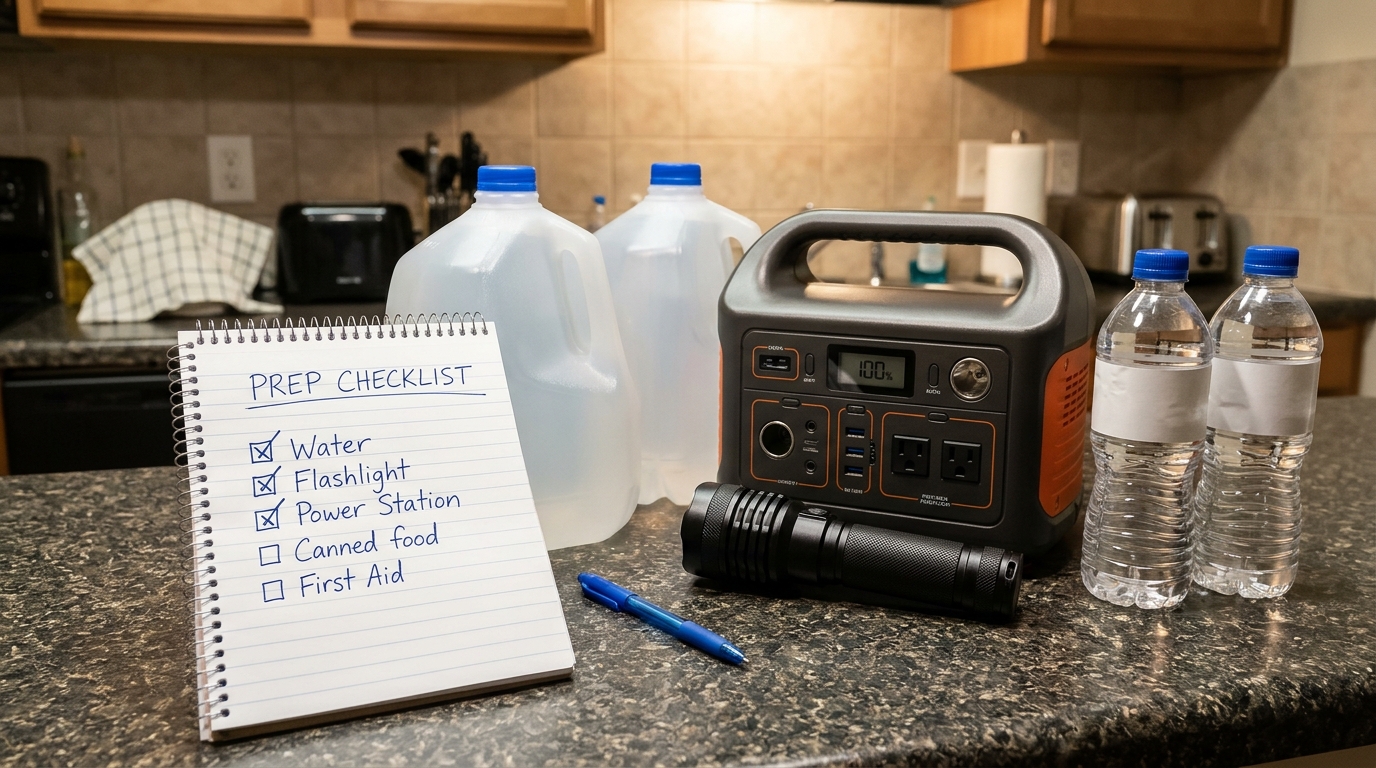
- Charge your phone, so you can call the pharmacist. Our wifi backup guide helps keep internet up.
What If You Are Not Sure Medication Is Still Good?
- If it was frozen at any point, treat it as damaged and do not use it.
- If it was exposed to heat above its limit, ask your pharmacist.
- If you cannot verify the temperature, and you have a replacement available, replace it.
- If the medicine is one you depend on and no replacement is available, call your pharmacist or prescriber right away. Some pharmacies and emergency programs can supply medicine in an emergency, and a decision to use a doubtful dose should be made with a professional if at all possible. For a life-threatening situation, call 911.
Plan Ahead
- Ask your pharmacist how long each of your medicines can be kept out of the fridge.
- Keep a list of your medicines and doses, and your pharmacy's number.
- Keep a cooler, ice packs and a thermometer ready, and test them.
- Know your area's emergency options, such as shelters with power for medical needs.
- Keep a small supply of ice or know where to get it, before a storm.
- If you rely on insulin pumps or glucose monitors, keep them charged. See our home office guide for staying powered and connected.
For storm-specific planning, see our hurricane checklist, winter storm guide and renter checklist. For food safety, see our food safety guide.
FAQ
How long can insulin stay out of the fridge? According to the FDA, manufacturer vials or cartridges may be unrefrigerated at 59 to 86°F for up to 28 days. Check your product's label.
Can I put insulin directly on ice? No. Freezing ruins it. Keep it from touching ice.
Will a power station run a medicine cooler? Yes. A small cooler drawing about 45W runs roughly 19 hours on a 1,000Wh station.
Is a thermoelectric cooler safe for medicine? Only if it can hold the required temperature in your room. Many cannot in summer heat, so verify with a thermometer.
What if my medicine froze? Do not use it, and contact your pharmacist.
Who do I call if I'm not sure? Your pharmacist or prescriber. For emergencies, 911.
The Bottom Line
Do not wait to see how long the outage lasts. Put a thermometer in the fridge, move critical medicine into a cooler with a barrier from the ice within the first hour or two, and call your pharmacist about your specific drugs. For longer outages, a small compressor cooler on a power station is far more efficient than running a kitchen fridge. When you are unsure whether a medicine is still safe, a pharmacist is a faster and more reliable answer than any general guide, including this one.
This article is general information, not medical advice. Follow your medication's label and your clinician's guidance.