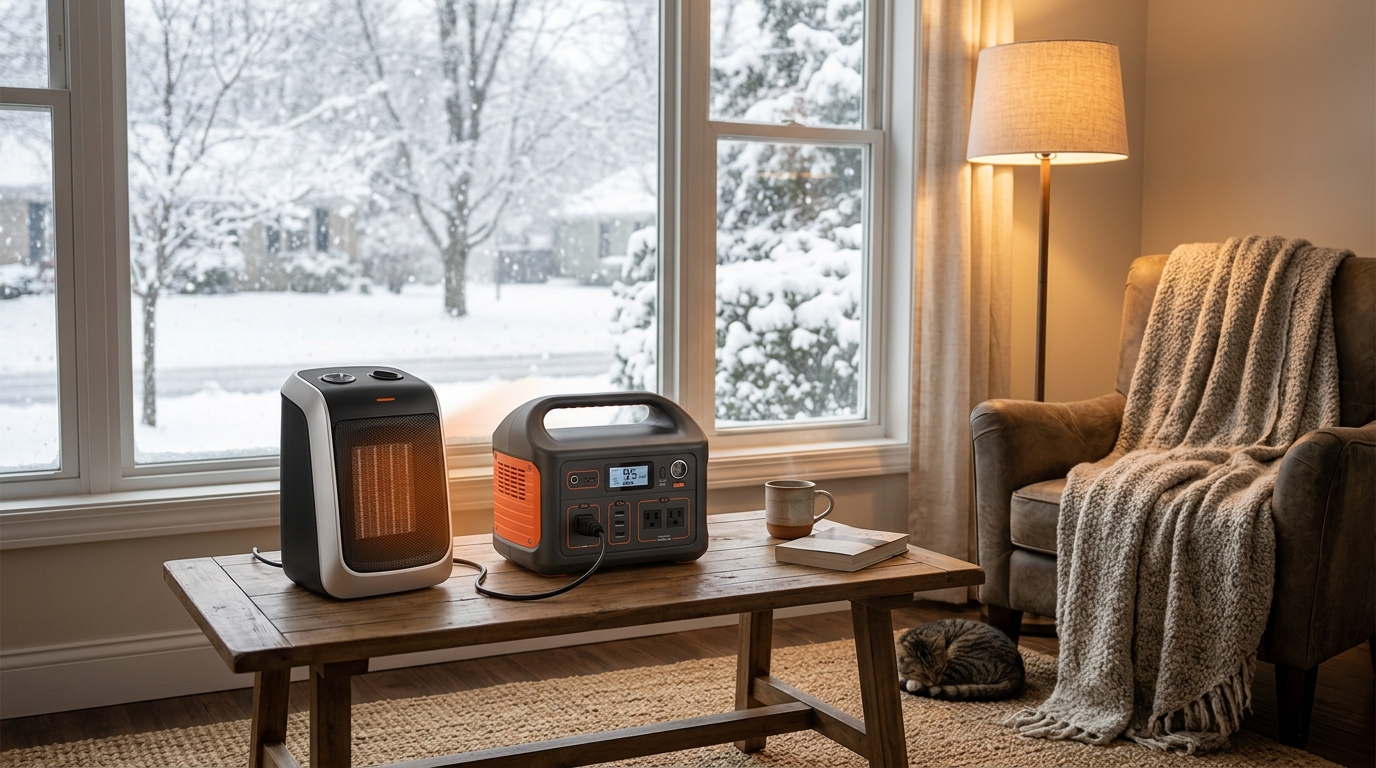
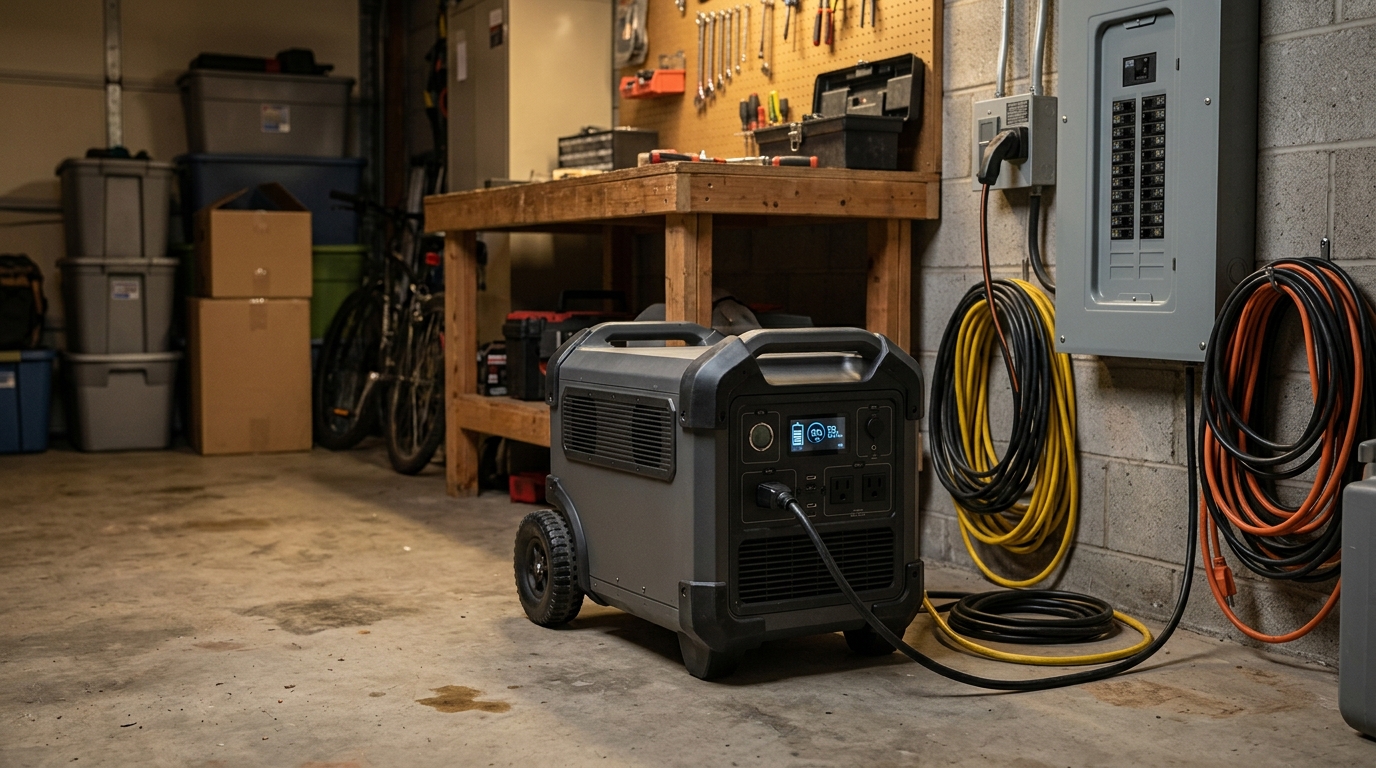
The math on this one surprised us: the bigger Jackery is currently the cheaper one. That flips the usual “pay more for more capacity” logic on its head, and it’s worth understanding exactly why before you pick between them.
Quick Specification Comparison
| Feature | Explorer 1000 v2 | Explorer 1500 v2 |
|---|---|---|
| Capacity | 1,070Wh | 1,536Wh |
| AC Output | 1,500W | 2,000W (4,000W surge) |
| Battery Chemistry | Li-ion (NMC) | LiFePO4 |
| Cycle Life | 4,000 cycles | 4,000–6,000+ cycles (varies by source) |
| AC Recharge Time | ~1 hour | ~53 minutes |
| Weight | 23.8 lbs | ~32 lbs |
| Typical Price | ~$499–799 | ~$699–999 |
Why the Bigger Unit Can Be the Cheaper One
At current pricing, the 1500 v2 often runs about $300 less than the 1000 v2’s older sibling (the Explorer 1000 Plus), while holding 272Wh more capacity — meaning cost-per-watt-hour actually favors the larger unit in that specific comparison. Against the 1000 v2 directly, the picture is closer: the 1000 v2 typically costs less in absolute dollars, but the 1500 v2 usually wins on cost-per-Wh once you factor in the extra capacity. Don’t assume “smaller number, smaller price” — check current pricing on both before deciding, since Jackery’s lineup and sale pricing shift often.
One real chemistry difference worth knowing: the Explorer 1000 v2 uses older NMC lithium-ion, not LiFePO4. See our LiFePO4 vs lithium-ion breakdown for why that matters more for long-term storage retention (the exact use case most outage-prep buyers actually need) than for daily cycling.
What the Capacity Difference Actually Means for Runtime
Using the same math from our sizing chart and 1000Wh CPAP breakdown — accounting for realistic inverter efficiency — here’s what the 466Wh gap translates to in practice:
| Use Case | Explorer 1000 v2 (~910Wh usable) | Explorer 1500 v2 (~1,306Wh usable) |
|---|---|---|
| CPAP, no humidifier (~45W) | ~20 hours (~2.5 nights) | ~29 hours (~3.6 nights) |
| Wifi router + modem (~18W) | ~50 hours (~2 days) | ~72.5 hours (~3 days) |
| Full-size fridge (~1.5kWh/day) | ~14.5 hours (under 1 day) | ~21 hours (under 1 day) |
The gap matters most for fridge-level loads and multi-night medical device coverage — for lighter loads like wifi or phone charging, both units are comfortably overkill, and the difference is largely academic.
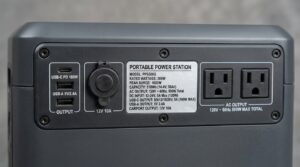
Output Wattage: The Spec That Matters More Than Capacity for Some Buyers
The 1500 v2’s 2,000W continuous output (versus the 1000 v2’s 1,500W) isn’t just a bigger number — it’s the difference between running certain appliances at all. If you’re planning around a space heater or a window AC unit, the 1000 v2’s 1,500W ceiling leaves very little headroom above a typical 1,500W heater’s full draw, while the 1500 v2’s extra 500W of continuous output and doubled surge rating (4,000W vs the 1000 v2’s roughly 3,000W) provides real safety margin for startup surges.
Which One Should You Actually Buy?
Get the Explorer 1000 v2 if: your priority is lighter weight (nearly 8 lbs less), your loads are primarily electronics and medical devices rather than heat or fridge-level draw, and you can find it at a meaningfully lower absolute price than the 1500 v2.
Get the Explorer 1500 v2 if: you want genuine multi-night coverage for a CPAP, plan to run higher-wattage appliances like a space heater, or the current price gap makes it the better cost-per-Wh buy — which, at the pricing we found during this research, it usually is.
Pricing and exact specs shift often in this category — always verify current numbers directly on Jackery’s site before buying, since both models’ pricing has moved by hundreds of dollars within the same year.