Last updated: November 2026. Transparency note: Trendifacts has not run hands-on bench tests of these four units. This guide compares published specifications and independent reviews against sourced CPAP wattage data, and runtimes are our own arithmetic. Where a figure comes from a retailer or a review, we link it. The word "Tested" in this article's title refers to this comparison of tested-and-published data, not to our own lab work.
Medical note: this is power planning, not medical advice. Talk to your sleep physician or equipment supplier about your therapy and your backup plan.
Affiliate disclosure: some links on this page may earn Trendifacts a commission at no extra cost to you. It does not change our rankings, and we say who should skip each unit.
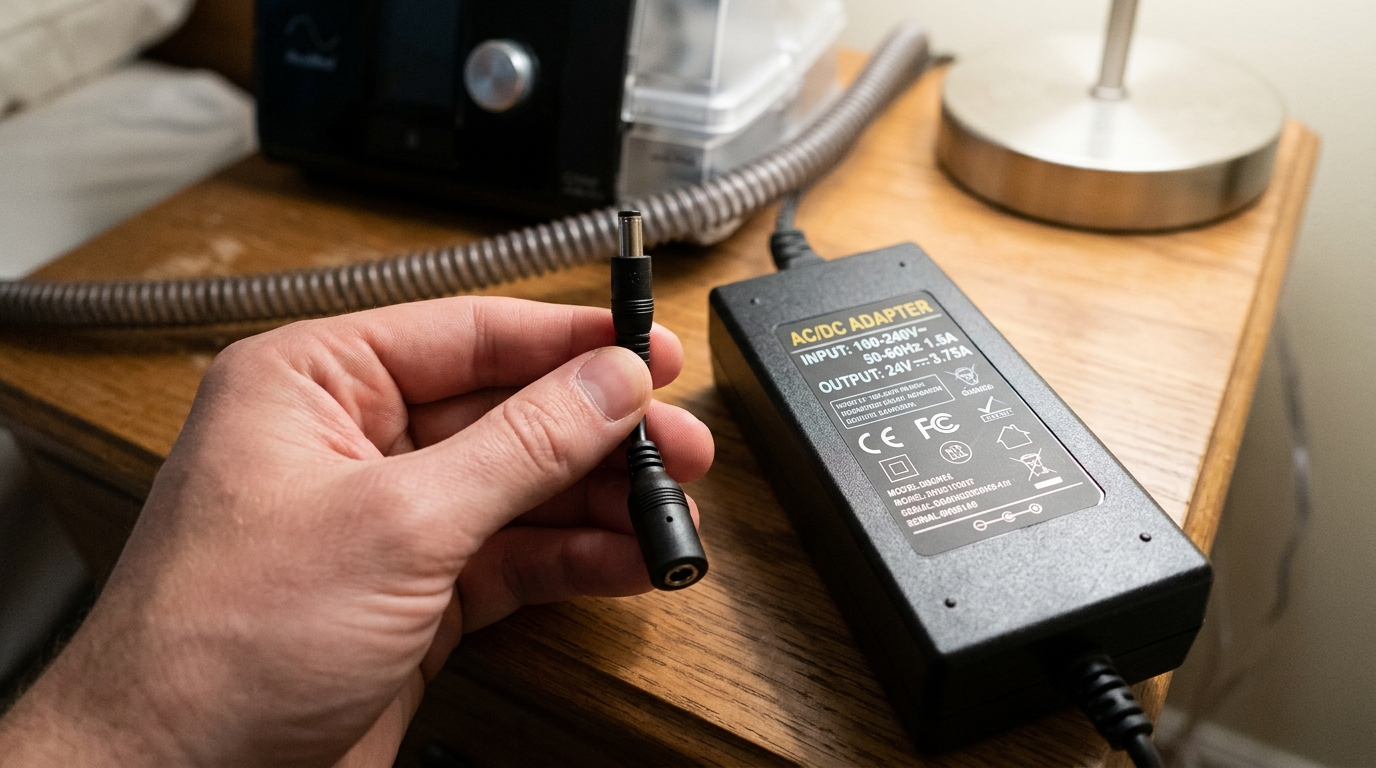
For a CPAP without a heated humidifier, the best all-around picks are the EcoFlow River 2 Pro and the BLUETTI AC70 (768Wh each, roughly 1.5 to 2 nights), and the Anker SOLIX C1000 (1,056Wh, roughly 2 to 2.8 nights) if you want the most headroom. The Jackery Explorer 500 (518Wh) is the lightest but covers only a bit over one night. None of them will carry a CPAP with a heated humidifier through several nights on one charge, and if you run a ResMed AirSense 10 or 11, you also need a 24V connection, not the 12V port on the station.
This guide gives you the verified CPAP power numbers, a four-unit comparison, the voltage and inverter traps that cause failures, what each pick is best for, and a checklist to run before you rely on any of them.
The Short Answer
| Model | Capacity | Chemistry | DC port | Runtime, no humidifier | Best for |
|---|---|---|---|---|---|
| EcoFlow River 2 Pro | 768Wh | LiFePO4 | 12.6V / 10A | about 1.5 to 2 nights | Overall value |
| BLUETTI AC70 | 768Wh | LiFePO4 | 12V / 10A | about 1.5 to 2 nights | Fastest wall recharge |
| Anker SOLIX C1000 | 1,056Wh | LiFePO4 | 12V | about 2 to 2.8 nights | Longest runtime |
| Jackery Explorer 500 | 518Wh | Li-ion (NMC) | Regulated 12V | about 1 to 1.4 nights | Lightest carry, budget |
Runtimes assume 40 to 55W of CPAP draw and 85% usable capacity over 8-hour nights. If you see claims of "4 to 7 nights" for units this size, they almost always rest on an unrealistically low wattage assumption.
How We Calculated Runtime
CPAP draw varies by model and settings. Without a heated humidifier, major machines draw roughly 40 to 55W; with a humidifier and heated tube, 55 to 130W. Our full table is in the 1000Wh CPAP runtime guide. Usable energy is about 85% of rated capacity because the inverter wastes some as heat.
| Unit | Usable (85%) | Hours at 40W | Hours at 55W | 8-hour nights |
|---|---|---|---|---|
| Jackery Explorer 500 (518Wh) | about 440Wh | 11.0 | 8.0 | about 1.0 to 1.4 |
| EcoFlow River 2 Pro / BLUETTI AC70 (768Wh) | about 653Wh | 16.3 | 11.9 | about 1.5 to 2.0 |
| Anker SOLIX C1000 (1,056Wh) | about 898Wh | 22.4 | 16.3 | about 2.0 to 2.8 |
With a humidifier at around 90W, divide those hours by about two. A 768Wh unit then gives about 7 hours, which is less than one night.
Two Traps to Know Before You Buy
1. ResMed AirSense 10 and 11 need 24V, not 12V
All four stations have 12V DC ports, and that part is accurate. But the AirSense 11 requires exactly 24 volts and a 65W supply, according to The CPAP Shop's AirSense 11 power guide, which also warns that an underpowered supply may make the machine disable its heated humidifier or heated tube. A generic 12V car adapter will not power these machines correctly. Use a converter made for your model, such as ResMed's DC/DC converter, or skip DC entirely and plug your CPAP's standard power supply into the station's AC outlet. Check the label on your power supply before you buy any cable. The same retailer claims a dedicated DC converter can make a battery last nearly twice as long as an inverter. That is a seller's claim and we could not verify it, so measure your own setup.
2. Pure sine wave matters
CPAP makers, including ResMed and Philips Respironics, specify pure sine wave power. Modified sine wave can cause inconsistent pressure or error codes. The reassuring part is that virtually all reputable name-brand power stations ship with a pure sine wave inverter, including the four here. The risk is mostly with cheap stand-alone inverters.
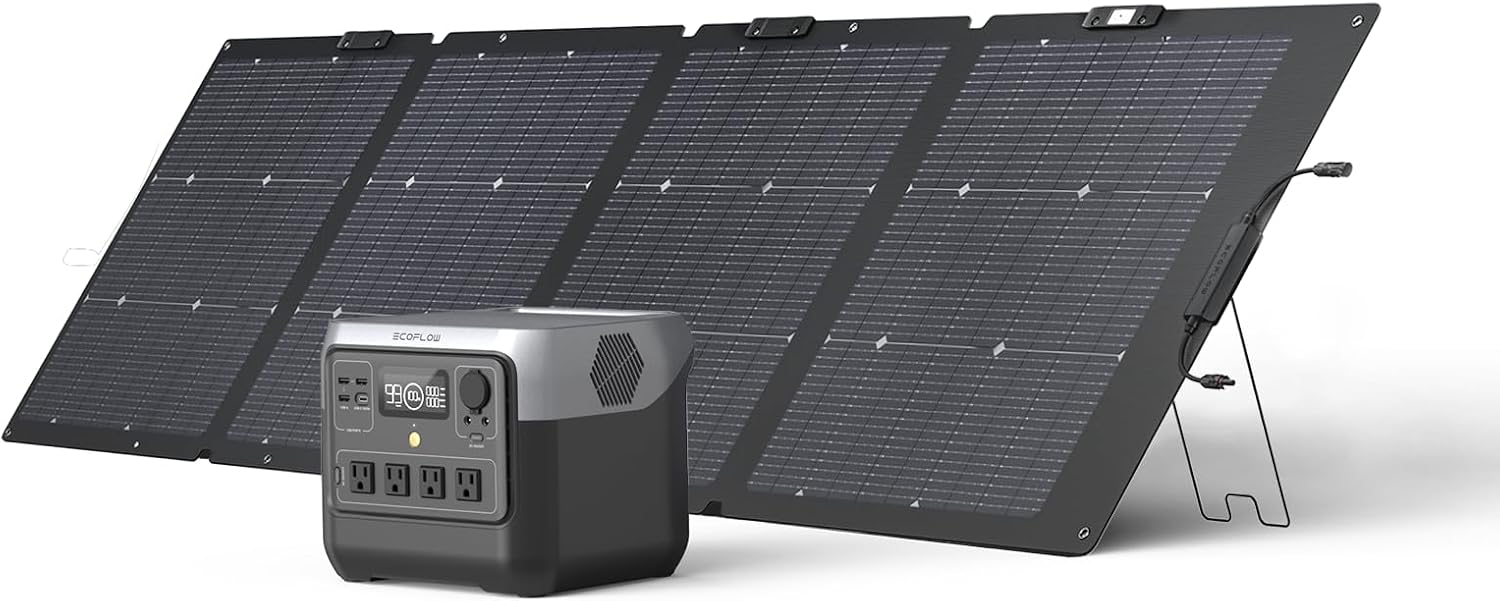
1. EcoFlow River 2 Pro: Best Overall Value
At 768Wh of LiFePO4 storage, the River 2 Pro covers roughly one and a half to two nights without a humidifier, a useful buffer rather than a week of coverage.
Why it works for CPAP:
- LiFePO₄ chemistry, commonly rated for 3,000 or more cycles. Our LiFePO4 vs lithium-ion guide explains why that matters for a unit that sits in storage and ages.
- Fast wall recharge. The Inertia reported roughly 70 minutes for a full charge, helpful if grid power returns only briefly.
- UPS-style switchover. A comparison listing reports roughly 30 milliseconds when the grid drops. That is fast for most devices, though "should not restart your CPAP" is an expectation to test, not a guarantee.
Drawbacks: audible fan noise during rapid AC charging. See our noise level breakdown if quiet overnight operation matters.
Skip it if you need more than two nights of humidifier-off coverage.
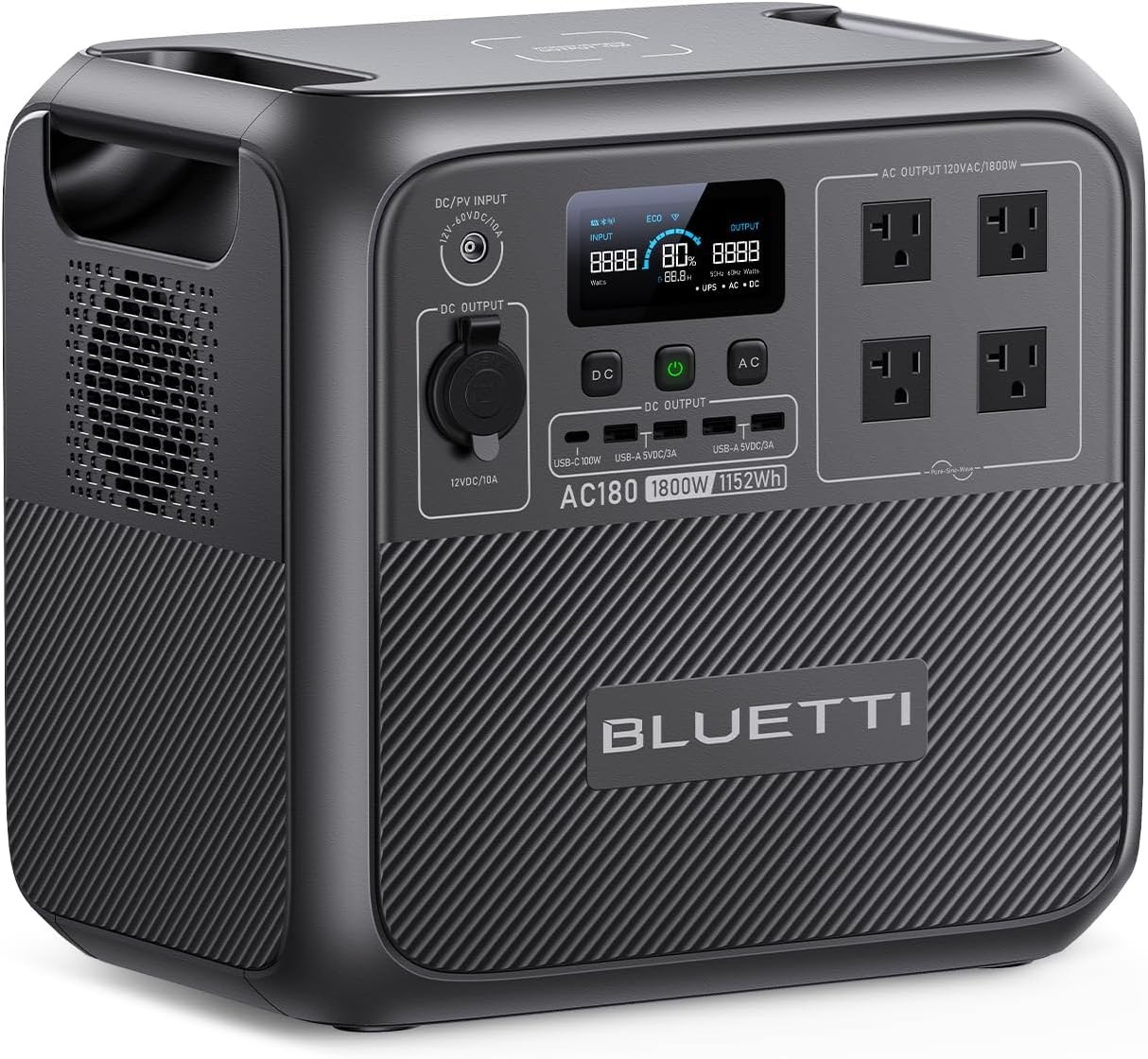
2. BLUETTI AC180: Best Balance of Capacity and Fast Recharging
The AC180 steps up to a much larger 1,152Wh capacity, while still delivering an incredibly fast AC charge: roughly 45 minutes to 80% and just over an hour to full. Runtime is noticeably longer, yielding about 2.5 to 3 nights completely without a humidifier.
Why it works for CPAP:
- Turbo recharging strongly helps in rolling blackouts when you only have very short power windows to top up.
- Expandable, reaching up to roughly 3,200Wh by adding a larger B230 expansion battery. Before assuming expansion is the cheaper way to more capacity, read our expandable battery breakdown.
Drawbacks: a noticeably louder fan when using the maximum Turbo charging mode, which heavily matters if you must recharge it right next to your bed.
Skip it if you are intensely sensitive to background noise, or simply do not need this much daily capacity.
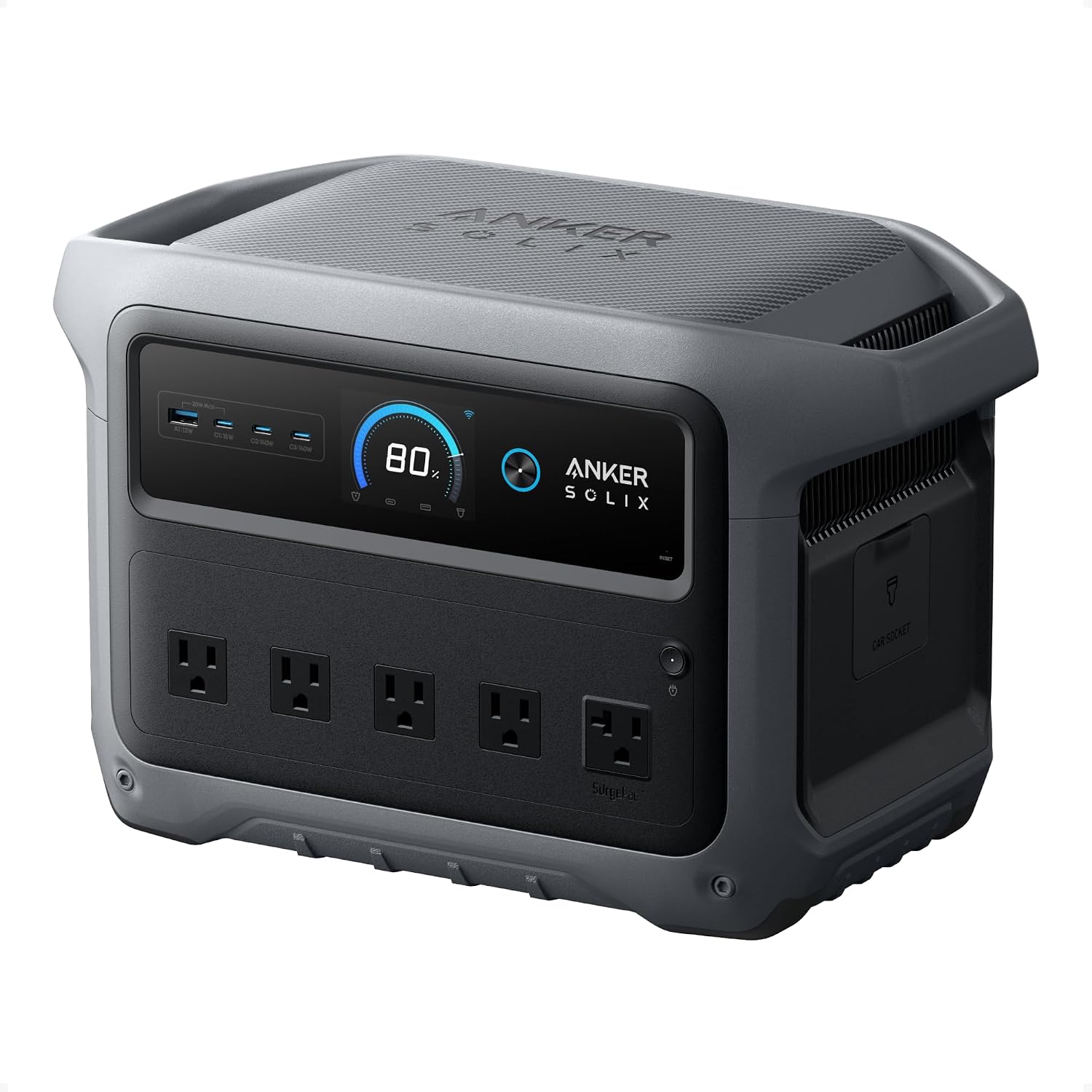
3. Anker SOLIX C1000: Longest Runtime
If a heated humidifier is non-negotiable for you, the C1000's 1,056Wh capacity is the strongest option here: roughly one and a half to two nights with the humidifier on a lower setting, or two to nearly three nights with it off.
Why it works for CPAP:
- The largest capacity on this list, in a compact footprint. See our Anker SOLIX C1000X review for the related C1000X.
- Expandable, reportedly up to about 2,112Wh with an add-on battery. Confirm current specs with Anker, since options change between generations.
Drawbacks: about 28 lb, heavier than the River 2 Pro or Explorer 500, so better suited to staying in one room.
Skip it if weight matters, or one night is enough.
4. Jackery Explorer 500: Lightest Carry
At 518Wh and older NMC lithium-ion chemistry, the Explorer 500 covers a bit over one night without a humidifier. It is an older model, so check current availability and whether a newer unit of similar capacity is a better buy.
Why it works:
- Regulated 12V output, which avoids voltage sag as the battery drains.
- Light, at about 13 lb.
Drawbacks: lower cycle life than the LiFePO4 options, slower wall recharge, and the same 12V-versus-24V caution for ResMed users.
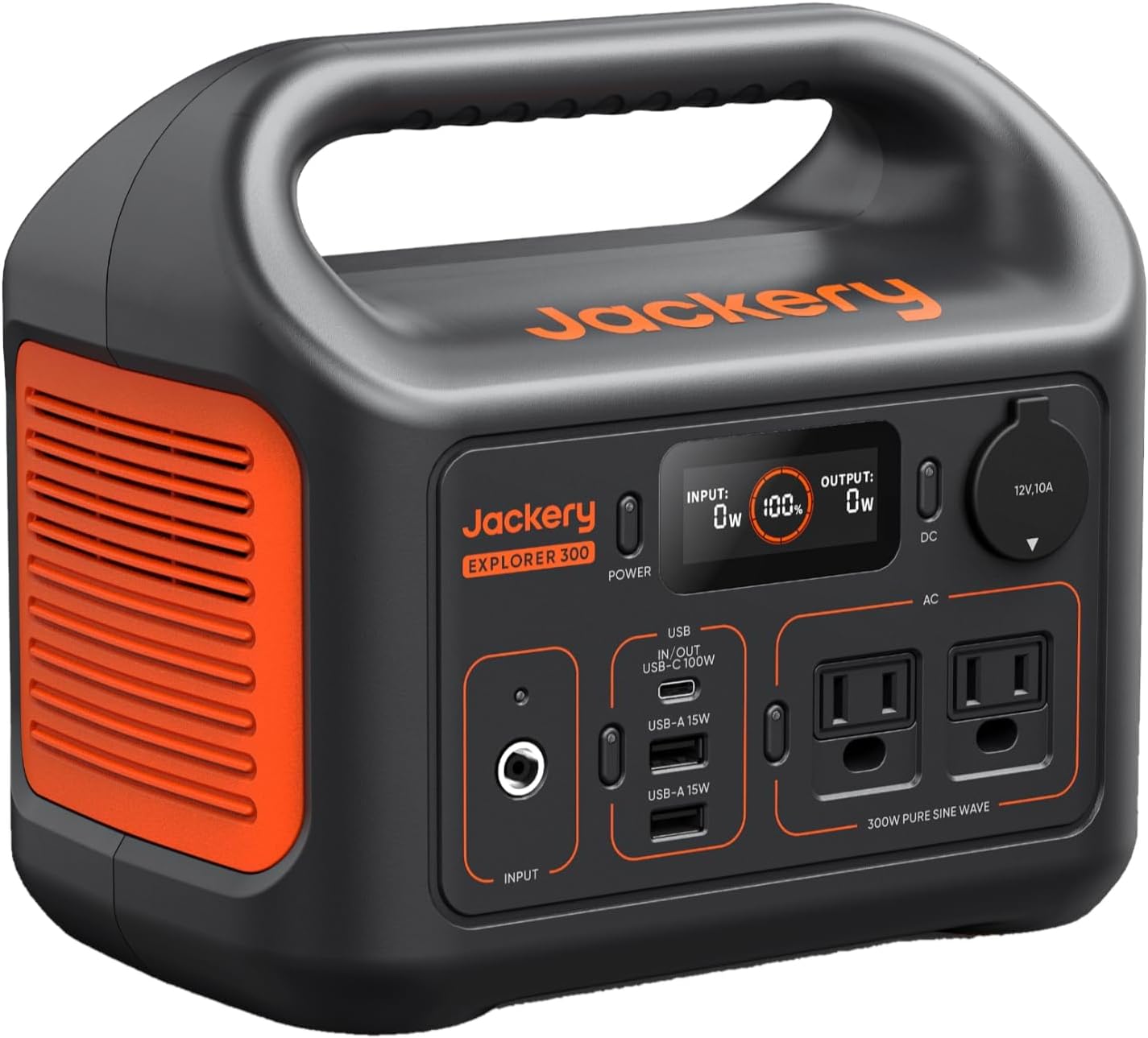
Skip it if you want multi-night coverage or long service life. If you are shopping at Jackery's larger sizes, see our Explorer 1000 v2 vs 1500 v2 comparison, which covers units with about 20 to 29 hours of CPAP runtime.
How to Choose
| If you... | Pick |
|---|---|
| Want the best balance of price, capacity and recharge | EcoFlow River 2 Pro |
| Face short, repeated blackouts | BLUETTI AC70 |
| Use a heated humidifier or want more nights | Anker SOLIX C1000 or a larger unit |
| Travel or need the lightest unit | Jackery Explorer 500 |
| Need 3+ nights | See sizing and solar below |
Multi-Night Plans
A week of CPAP with no recharging needs roughly 2,500 to 3,000Wh of rated capacity, which exceeds any single unit here. Realistic paths:
- A larger station. At 60W, three nights is about 1,700Wh rated. See our CPAP runtime tables.
- Solar recharging. You cannot charge from solar overnight, but panels refill the battery during the day. A 200W panel returns about 500 to 750Wh a day in decent sun, per our solar recharge chart. Renters can see our balcony solar guide.
- Lower-draw settings, if your clinician agrees: humidifier off or low, no heated tube. Never change your prescribed pressure to save battery.
- A manufacturer or supplier battery option. Ask your equipment provider.
If your plan also includes a fridge, read the fridge runtime guide; if you use oxygen, read the oxygen concentrator backup guide first.
A Pre-Storm Checklist
- Read your CPAP power supply label for voltage and wattage.
- Confirm whether you need a 24V converter.
- Charge the station to full and keep it indoors. Do not charge lithium batteries below freezing, per our cold-weather guide.
- Run one full night on battery with your real settings.
- Record your actual draw with a watt meter.
- Keep a copy of your settings and your supplier's number.
- Check Ready.gov's power outage page for general preparation.
FAQ
Does my power station need a pure sine wave inverter for my CPAP?
Yes, and nearly every name-brand station includes one. Avoid cheap modified sine wave inverters.
Will running my CPAP off a power station damage it?
Not with a pure sine wave source and the correct voltage. The real risk is a mismatched DC voltage.
How long will a power station last if I use my CPAP every night?
Daily use means constant recharging, so cycle life matters. LiFePO4 units suit daily cycling better; see our chemistry guide.
Can I charge from solar while running a CPAP overnight?
Not at night, but daytime panels refill the battery for the next night.
What size do I need for a week of CPAP?
About 2,500 to 3,000Wh rated without recharging, so most people use solar or a larger setup.
Is it safe to keep a power station by the bed?
Power stations have no combustion or fumes, unlike generators. Keep them ventilated and dry, and never run a generator indoors.
The Bottom Line
None of these four units will get a CPAP with a heated humidifier through multiple nights on a single charge. The River 2 Pro and AC70 give about 1.5 to 2 nights without humidity, the Explorer 500 a bit over one, and the SOLIX C1000 the most headroom. Whichever you choose, check your CPAP's voltage before buying a DC cable, and run a full test night before you rely on it.
Pricing and specifications shift often. Always confirm current numbers directly with the manufacturer before buying.